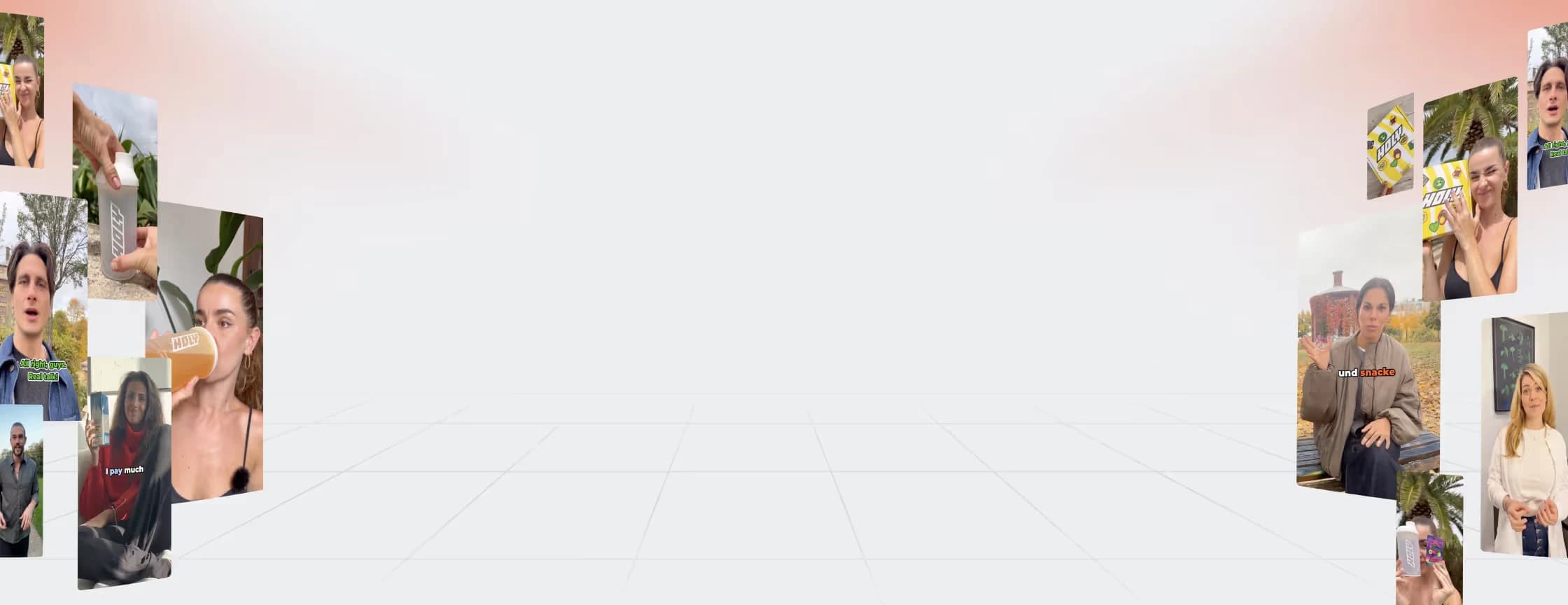
Make video ads from footage you already have
Solid turns creator clips, product shots and past campaigns into ready-to-launch video ads for Meta, TikTok and YouTube. No reshoot, no synthetic avatars.


Trusted by leading consumer brands









How it works
From raw footage to a finished ad in three steps
The slow part of making a video ad is finding the right two seconds. Solid indexes your footage so that part is a search, not an afternoon.
01
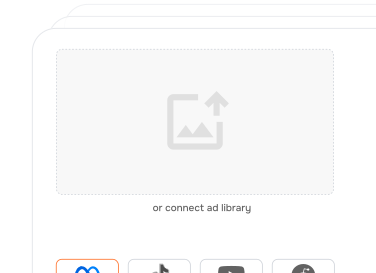
Upload your footage
- Creator clips, product shots, past ads
- Solid splits each file into scenes
- Everything is transcribed and tagged
02
Make the ad
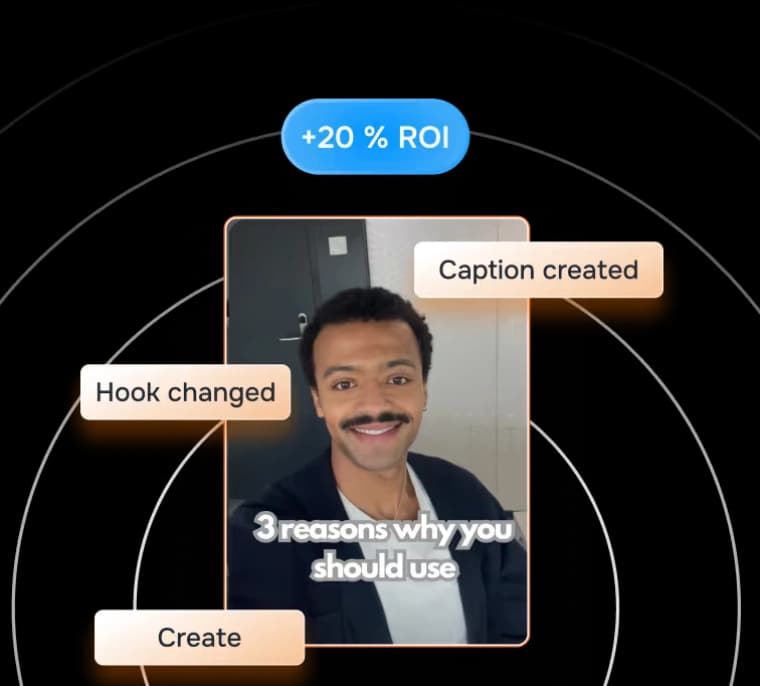
- Describe the ad, get a first cut
- Voiceover, captions and music included
- Edit any scene in the timeline
03
Launch and iterate
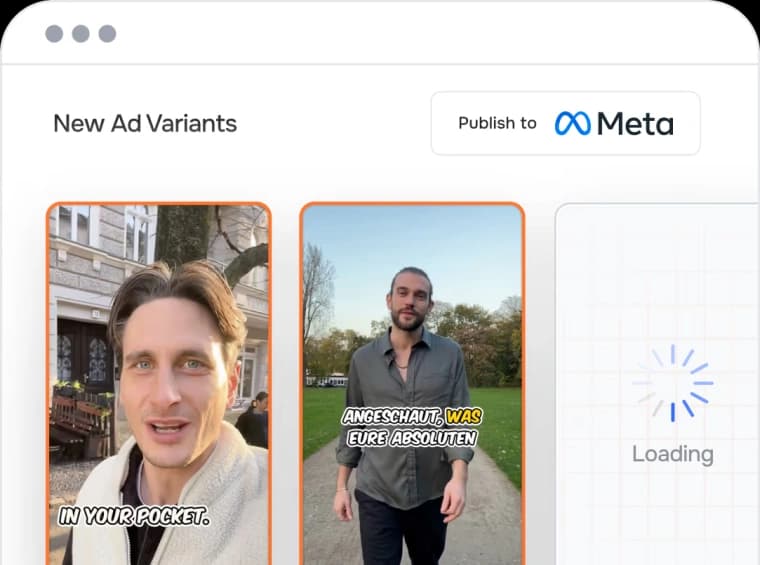
- Export or publish to your ad accounts
- Spin up variants from the winners
- Localize without a new production
Real footage
A video ad maker, not a video generator
Both labels get used for the same thing, and they are not the same thing. The difference decides whether the ad looks like your brand or like software.
Fully generated video
- An avatar that never existed reads your script
- Stock footage shared with everyone else in your category
- Nothing on screen is your product
- Audiences recognise it, and increasingly discount it
Solid
- Your real footage, your real product, your real creators
- The people on screen are the people you filmed
- New variants come from re-cutting, not re-shooting
- Generated b-roll covers a missing shot, never the subject
Testimonials
See what our customers say




With Solid, we’re building our AI system for creative scale. We launch faster, iterate smarter, and turn winning ads into repeatable video ad formats that keep driving ROAS.
Solid powers our creative testing & analytics loop for TikTok at refurbed — taking what works and scaling it through authentic and relatable content. It’s fast, AI native, and always aligned with our brand values. Their product is now an essential part of how we grow.
Solid analyzes thousands of video creatives for us — automatically. We now see correlations we’d never catch manually. That clarity helps us test promising ad combinations smarter, and increase our hit rate for winners. It’s becoming a key part of how we scale.

Solid is a game-changer for performance teams. We’re constantly launching creative tests. At this scale, managing and analyzing variation is chaos. Solid brings structure, speed, and repeatability to our growth workflow.

FAQs
Frequently Asked Questions
What is a video ad maker?
A video ad maker is a tool that turns raw material — footage, images, a script — into finished video ads sized and formatted for ad platforms. The useful ones do more than trim clips: they handle the parts that make an ad an ad, like hooks, captions, voiceover, music, and the aspect ratios each placement demands. Solid is a video ad maker built around footage you already own rather than stock or synthetic clips.
Can I make video ads from my own footage?
Yes — that is the point of Solid. Upload raw footage, creator videos, product shots, or past campaigns. Solid transcribes and tags what it finds, splits it into individual scenes, and treats those scenes as building blocks for new ads. Your existing library becomes the source material instead of something you have to re-shoot.
Do I need video editing experience?
No. You describe the ad you want and Solid assembles a first version — scene selection, voiceover, captions, music, and pacing. From there you can edit anything in the timeline if you want to, but you are reviewing and adjusting rather than building from an empty canvas.
How many video ads can I make from one shoot?
Enough to test properly, which is the reason to work this way. Once footage is indexed into scenes, producing another variation is a matter of changing the hook, the ordering, the voiceover, or the format — not booking another shoot. Teams typically use this to run many variants against each other and keep the winners.
How is this different from an AI video generator?
Most AI video generators synthesize the whole thing — an avatar that never existed reading a script. Solid does not do that. It edits real footage: your product, your customers, your creators. Video Studio can generate b-roll with Veo or Seedance when a shot is not in your library, but the subject of the ad is always something you filmed. That matters for performance ads, where audiences spot a wholly synthetic spot quickly.
Which platforms and formats does it support?
Solid produces ads for paid social — Meta, TikTok, and YouTube — in the vertical, square, and landscape ratios those placements require. You can export finished files or publish straight to connected ad accounts.
Can I make UGC-style video ads?
Yes. UGC-style ads are one of the most common uses. Solid works from real creator and customer footage, remixing existing material into new variations with different hooks and structures — which is how teams extend the life of creator content they have already paid for.
Can I make video ads in other languages?
Yes. Solid localizes an ad by regenerating the voiceover and captions in the target language against the same footage, so a campaign that works in one market can be adapted for another without a new production.
Weighing Solid against a clipping tool? Solid compared with OpusClip.