3D Medical Animation
Computer-generated 3D anatomy or mechanism visuals show how an ingredient, treatment, or device works inside the body.
How to spot it
CGI cross-sections of skin layers, teeth, joints, or gut anatomy illustrating a biological effect.
Verified on real video ads across 20 of 240 tracked brands (209 sightings across 79,497 ads).
Creative strategy
Why use 3D Medical Animation
Shoppers scroll past vague health claims because biological benefits happen out of sight. A 3D anatomical cutaway makes an invisible mechanism concrete within seconds and builds belief in higher-priced treatments. Intercutting short CGI visuals with a live presenter holds attention in fast feeds and explains complex outcomes clearly even on mute.
When to use it
- Promote supplements, skincare serums, or oral care products whose main benefit happens inside the body or under the skin.
- Explain medical procedures, corrective treatments, or at-home health devices that need visual clarity before shoppers book or buy.
- Support premium pricing when buyers need proof of a differentiated active ingredient or patented physical mechanism.
When to skip it
- Skip 3D animation for lifestyle, apparel, or snack products where taste, fit, or visual style drives the purchase.
- Avoid this format on tight production budgets or fast creative sprints where custom CGI turnaround slows weekly testing.
Production guide
How to produce 3D Medical Animation
- 1
Script a single cause-and-effect sequence that isolates the problem area, the product action, and the visible result.
- 2
Commission modular three-to-five-second CGI clips with clean lighting so editors can reuse them across multiple ad hooks.
- 3
Intercut the 3D cross-sections with a live presenter or product shot to keep human warmth in the ad.
- 4
Add brief on-screen labels naming the targeted area or ingredient so silent viewers understand the visual immediately.
Common mistakes
- Running long, slow CGI sequences without human cutaways causes rapid drop-off in the first five seconds.
- Making exaggerated anatomical claims in CGI visuals triggers health and medical ad disapprovals on Meta and TikTok.
- Cluttering the animation with dense medical jargon confuses casual scrollers watching on small phone screens.
Field notes
Observed in real ads
- 1
Detailed 3D animations of the eye are used to visually demonstrate how the minimally invasive procedure works.
- 2
Short anatomical animations illustrate the corrective eye procedure between the spokesperson's shots.
- 3
3D animations of eye surgery procedures are displayed alongside the speaker's explanation to visualize the treatment.
Also called
Cross-layer recipes
Pairs well with
Combine 3D Medical Animation with patterns from other layers to assemble a complete ad.
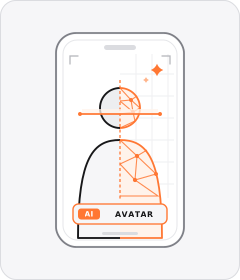
AI-Generated Talent
A computer-generated human avatar or synthetic model appears on screen instead of a real person.
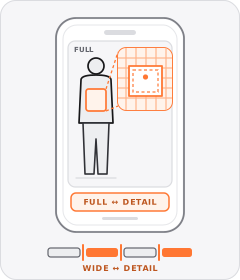
Full-Body to Detail Cuts
The edit alternates back and forth between full-length shots of an item worn and tight close-ups of its fit or fabric.

Q&A Sticker
The ad frames itself as an answer to a follower's prompt inside an Instagram- or TikTok-style Story question box.
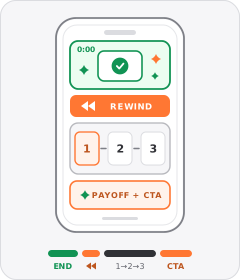
Result-First Rewind
The ad opens on the finished dish, look, or project before cutting back to show the steps that created it.
Start free
Build a 3D Medical Animation ad in minutes
Start with 7 days free in a ready-made demo workspace. No credit card required.