Ad rhetoric and persuasion
Arguments, proof mechanisms, price reframes and urgency cues that turn attention into trust and give the viewer a clear reason to buy.
Effortless Convenience
2 patterns
Social Proof
6 patterns +11 sub
Social Proof
The ad shows that other people already buy, trust and like the product.
Personal Testimonial
A single speaker vouches for the product from their own routine, experience or personal transformation.

Customer Count Callout
The ad cites thousands or millions of existing buyers or users to prove mass adoption.
Review Count Callout
The ad cites a high star rating or thousands of five-star customer reviews in speech or copy.
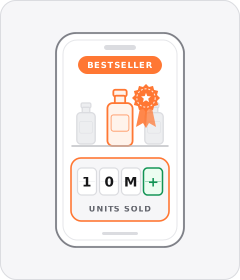
Bestseller Callout
The ad labels the product a bestseller or cites a major units-sold milestone.

Award Callout
The ad states that the product has won an industry award, consumer test or top ranking.
Offer Callouts
8 patterns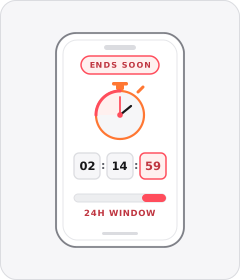
Limited-Time Offer
The ad warns that the discount or promotion is only available for a short window.
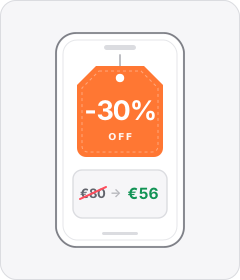
Discount Callout
The ad pitches a specific percentage or cash reduction off the regular price.
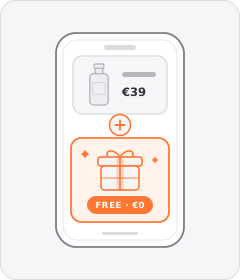
Free Gift with Purchase
A free bonus item comes included with the order.
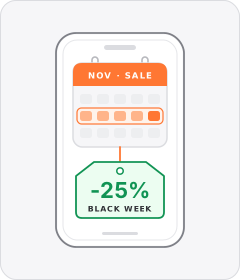
Seasonal Sale
The ad ties its promotion or discount to a calendar holiday or retail shopping event.
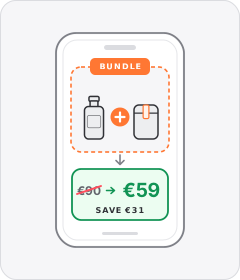
Bundle Offer
The ad pitches a multi-pack, starter kit or set of products together for less than buying them separately.

Money-Back Guarantee
The ad promises a full refund if the buyer is not satisfied with the product.
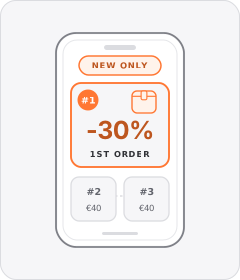
First-Order Discount
The ad offers a special welcome discount reserved for new customers on their first order.
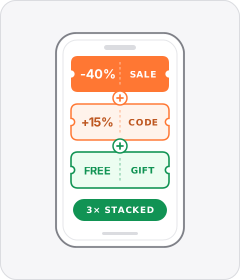
Offer Stack
The ad piles multiple discounts, promo codes and free perks on top of one another in a single deal.
Seasonal Tie-In
2 patterns
Quantified Claim
2 patterns
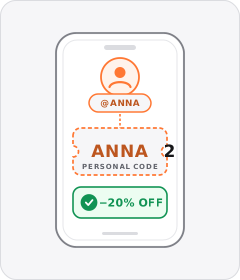
Promo Code
2 patterns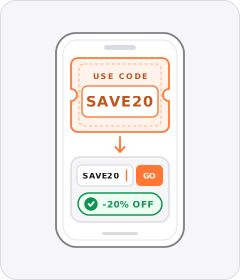
Comparison & Contrast
3 patterns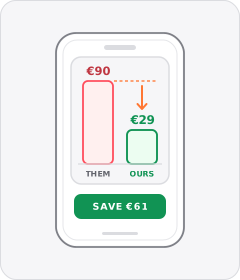
Price Comparison
The ad contrasts the product's price against a pricier competitor or an expensive everyday habit.
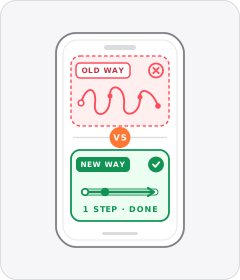
Old Way vs. New Way
The ad contrasts a messy, slow or outdated everyday chore with the simpler routine offered by the product.
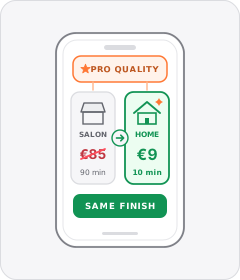
Pro Quality at Home
The ad claims the product gives you at home what you would otherwise pay a salon, restaurant, café or other professional for, in less time and for less money.
Individual patterns
19 patterns
Benefit Stack
The ad rattles off a rapid-fire sequence of product benefits or specs one after another, often in a rule-of-three burst.
 +1 sub
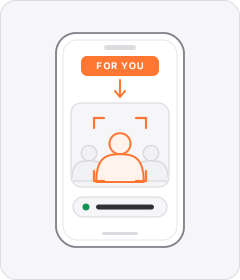
Audience Callout
The ad explicitly names who the product is built for, either qualifying a specific group or welcoming everyone.
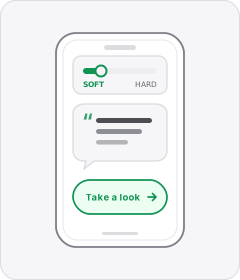
Soft Call to Action
The ad wraps up with a casual, low-pressure suggestion to check the product out rather than a hard sales push.
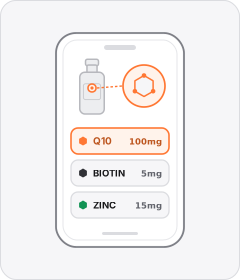
Ingredient Callout
The ad names specific active or hero ingredients and dosages to explain why the product works.
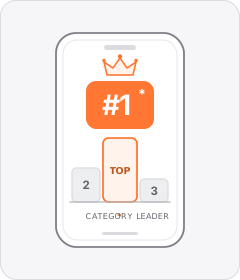
Superlative Claim
The ad declares the brand or product to be the number-one, first, only or most extreme option in its category.
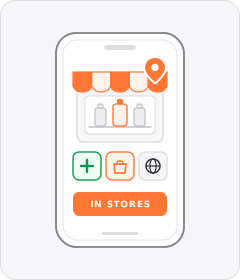
Retail Availability Callout
The ad tells viewers they can pick the product up in named supermarkets, pharmacies or high-street stores as well as online.

Backed by Experts
The ad claims that doctors, vets, nutritionists or chefs developed, approved or recommend the product.

Gift Pitch
The ad pitches the product as an ideal present to buy for someone else—or a holiday treat for oneself.
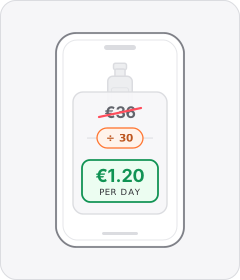
Cost-per-Use Breakdown
The ad divides the total price into pennies or a couple of euros per serving, wash or day to make it feel small.

Science-Backed Claim
The ad backs up its promises by citing clinical trials, peer-reviewed studies or scientific formulation.

Fear Appeal
The ad warns viewers about a hidden health hazard, toxic chemical or costly loss if they stick with their current habits.
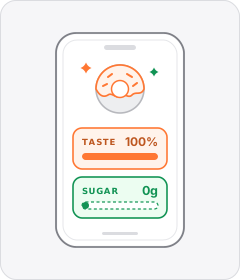
Guilt-Free Indulgence
The ad promises all the rich taste or pleasure of a treat without sugar, calories or regret.
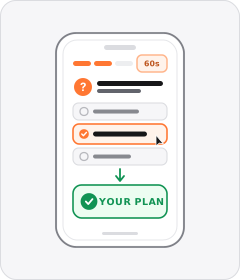
Take the Quiz
Instead of asking for an immediate purchase, the ad invites viewers to answer a short quiz to get a custom plan or check eligibility.
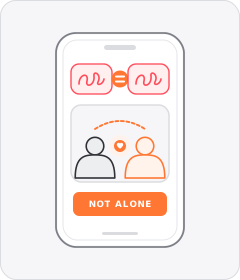
Shared Struggle
The speaker validates how isolating or exhausting the viewer's problem feels and reassures them they are not alone.
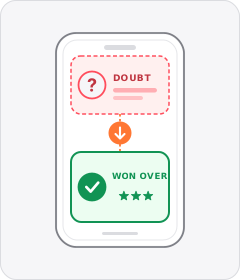
Skeptic to Believer
The speaker confesses they initially doubted the product would work before real results won them over.
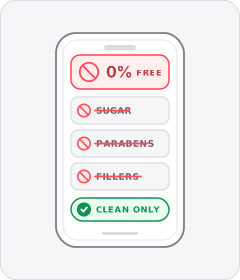
Free-From Callout
The ad pitches the product by listing the unwanted additives, allergens or harsh chemicals it leaves out.
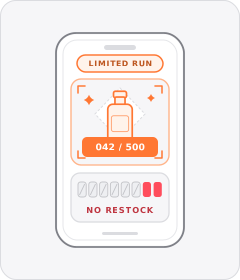
Limited Edition
The ad highlights that a flavour, colourway or product drop is produced in a finite run or for one season only.

Root Cause Reveal
The ad attributes the viewer's ongoing problem to a deeper underlying cause that ordinary remedies miss.
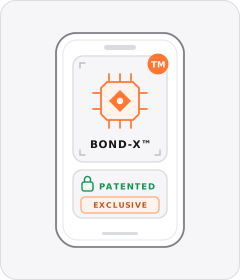
Proprietary Tech
The ad credits the product's performance to a named, trademarked or patented technology.
About this layer
Using rhetoric in video ads
Rhetoric covers the claims, social proof, and urgency offers that give viewers a clear reason to trust your product and click. Across 240 tracked brands, Effortless Convenience leads at 173 brands, followed by Personal Testimonial at 169 and Limited-Time Offer at 160.
Marketers test rhetoric cleanly by holding the presenter, visuals, and cut rhythm fixed while rewriting the core argument. Comparing an Audience Callout with a Benefit Stack shows which persuasion angle lifts conversion rate for supplements, SaaS, or home gadgets.
FAQs
Rhetoric FAQs
What is the difference between a hook and ad rhetoric?
A hook earns attention during the first three seconds, while rhetoric builds the buying case across the rest of the video. Rhetoric covers proof points, objection handling, price framing, and urgency triggers like a Limited-Time Offer. Both layers work together to turn early views into sales.
How many proof points fit inside one short video ad?
Focus a 15-to-30-second ad on one main claim backed by two or three concrete proof points. A Benefit Stack performs well in familiar categories like apparel or skincare where buyers compare features directly. Cramming unrelated claims into a short script weakens the main reason to buy.
How should you test urgency offers alongside evergreen benefits?
Run urgency cues like a Limited-Time Offer alongside evergreen benefit scripts during seasonal promotions and retargeting waves. Evergreen angles such as Effortless Convenience or Personal Testimonial usually scale longer across cold prospecting audiences. Separating offer ads from evergreen ads gives clearer readouts on margin.
Other layers
Explore the rest of the taxonomy
Combine patterns across layers to build complete performance video ads.
Hooks
38How does it stop the scroll?
Structures
19In what order is it told?
Formats
35What kind of video is it?
Casting
24Who speaks, and how?
Editing
16How are the shots joined?
Graphics
29What sits on top of the footage?
Mimicry
6What does it pretend to be?
Audio
14What do you hear?
Staging & gestures
2What else frames the shot?
Start free
Test more rhetoric without another shoot
Start with 7 days free in a ready-made demo workspace. No credit card required.