Cost-per-Use Breakdown
The ad divides the total price into pennies or a couple of euros per serving, wash or day to make it feel small.
How to spot it
Unit-cost math such as 'Works out to less than €1.20 a meal' or 'Just 30 cents a wash'.
Verified on real video ads across 79 of 240 tracked brands (1,564 sightings across 79,497 ads).
Creative strategy
Why use Cost-per-Use Breakdown
A large bundle price triggers instant hesitation in a fast social feed, especially for unfamiliar consumables or starter kits. Translating that total into a tiny daily or per-serving figure anchors the buyer's mind to pocket change. Viewers mentally compare that small unit cost against minor daily treats, making the checkout price feel much easier to approve.
When to use it
- Supplements, meal kits, coffee subscriptions, and laundry detergents sold in multi-week bundles benefit from clear unit math.
- High-ticket home gadgets, beauty devices, and mattresses convert better when viewers see their cost spread across months.
- Retargeting ads for apparel or annual SaaS plans use daily math to win back shoppers who paused at checkout.
When to skip it
- Low-price snacks and impulse accessories rarely need unit math because the full sticker price already feels effortless.
- Products with vague or inflated usage estimates backfire quickly when skeptical shoppers challenge the numbers in comments.
Production guide
How to produce Cost-per-Use Breakdown
- 1
Divide the bundle price by exact servings, washes, or days so viewers can verify the unit figure on your site.
- 2
Display the per-use price in bold text right when the speaker reveals the main daily benefit.
- 3
Film a physical anchor like pouring one scoop, loading one pod, or plating one meal beside the unit price.
- 4
Clarify the pack size or billing period in clean small text so the checkout total matches viewer expectations.
Common mistakes
- Quoting unit prices from your largest subscription tier while linking to a pricier single pack breeds instant distrust.
- Cramming complex division equations onto a vertical phone screen confuses viewers who scroll past in two seconds.
- Leading with pennies per day before proving quality makes skincare or supplement formulas look cheap.
Field notes
Observed in real ads
- 1
The meal cost is broken down and displayed as $4.99 per serving rather than total box price.
- 2
The narrator frames the cost as starting at only 75 pence per cube.
- 3
The speaker compares the price of the entire at-home kit favorably against the cost of a single monthly salon visit.
Also called
Cross-layer recipes
Pairs well with
Combine Cost-per-Use Breakdown with patterns from other layers to assemble a complete ad.

Q&A Breakdown
The ad is organised around one or more explicit questions about the product followed by direct answers.
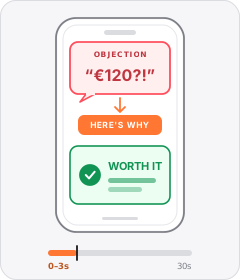
Objection Hook
The ad opens by naming the main reason a buyer might hesitate—such as a high price—and tackling it head-on.
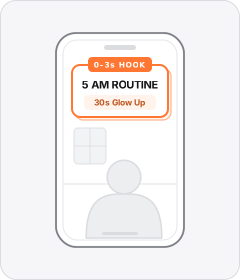
Opening Hook Banner
A bold static headline or title box sits over the opening shot to frame the topic in the first few seconds.

Everyday Couple
A romantic couple shares the frame to discuss, test, or use the product as part of their life together.
Start free
Build a Cost-per-Use Breakdown ad in minutes
Start with 7 days free in a ready-made demo workspace. No credit card required.