Science-Backed Claim
The ad backs up its promises by citing clinical trials, peer-reviewed studies or scientific formulation.
How to spot it
Phrases like 'Clinically proven', 'Backed by 3 clinical studies' or citations of trial findings.
Verified on real video ads across 79 of 240 tracked brands (2,878 sightings across 79,497 ads).
Creative strategy
Why use Science-Backed Claim
Social feeds overflow with bold product promises, so cold viewers default to skepticism when a brand makes a big claim. Referencing clinical trials, lab testing, or measured outcomes gives logical buyers concrete evidence to justify clicking. Translating scientific validation into one plain human outcome turns technical proof into immediate purchase confidence.
When to use it
- Supplements, active skincare, sleep aids, and haircare formulas need clinical backing because buyers expect verifiable proof.
- Premium home gadgets, air purifiers, and wellness apps use lab metrics to justify higher prices over basic alternatives.
- Middle-of-funnel video ads convert analytical shoppers who already know the brand and want hard proof before buying.
When to skip it
- Fashion apparel, indulgent snacks, and giftable decor rely on taste and style where clinical language feels sterile.
- Brands without real study documentation should skip science claims to avoid Meta, TikTok, and regulatory ad rejections.
Production guide
How to produce Science-Backed Claim
- 1
Pair each clinical stat with a plain benefit so viewers instantly understand what the lab result means for them.
- 2
Display concise study details like participant count, trial length, or test method in readable text near the bottom.
- 3
Cut between clean lab footage, ingredient macro shots, or simple animated charts while the speaker explains the finding.
- 4
Have your legal or compliance lead approve exact claim wording before uploading to Meta or YouTube Shorts.
Common mistakes
- Reading dense medical jargon out loud loses mobile viewers in the first five seconds on TikTok and Reels.
- Promising guaranteed cures or exaggerated health results triggers automated rejections and account flags on paid social.
- Citing vague unnamed studies with zero specifics makes educated shoppers question whether real testing happened.
Field notes
Observed in real ads
- 1
The text repeatedly uses the phrase 'Studies show:' to back up health claims about the microbiome.
- 2
The narrator cites scientists showing that the product can regulate cortisol levels measured in saliva.
- 3
Positions the supplement as science-backed care specifically tailored for small stomachs.
Also called
Cross-layer recipes
Pairs well with
Combine Science-Backed Claim with patterns from other layers to assemble a complete ad.
 +2 sub
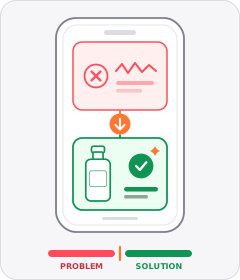
Problem-Solution
The ad establishes an everyday frustration in the first act and introduces the product as the fix.
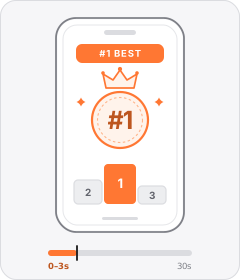
Superlative Claim
The ad opens by declaring the product the #1, best, or first of its kind.
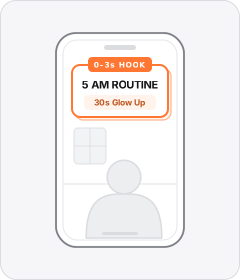
Opening Hook Banner
A bold static headline or title box sits over the opening shot to frame the topic in the first few seconds.
 +2 sub
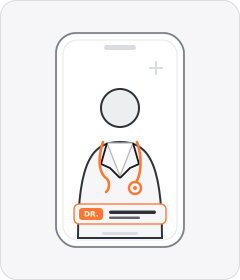
Expert in a Coat
A qualified specialist, academic, or seasoned practitioner vouches for or explains the product on camera.
Start free
Build a Science-Backed Claim ad in minutes
Start with 7 days free in a ready-made demo workspace. No credit card required.