Step-by-Step Walkthrough
The ad breaks preparing, applying, or using the product into distinct chronological stages.
How to spot it
Ordered actions—often marked 'Step 1, Step 2, Step 3'—walking from start to finish of a routine or preparation.
Verified on real video ads across 161 of 240 tracked brands (2,449 sightings across 79,497 ads).
Creative strategy
Why use Step-by-Step Walkthrough
Shoppers often hesitate before buying unfamiliar products because they worry setup or daily use will feel complicated. Organizing the demo into crisp sequential stages turns an unknown routine into something viewers can picture themselves doing in seconds. Numbered progressions also create open loops that keep people watching through the final step to see the outcome.
When to use it
- Multi-step skincare sets, hair styling kits, press-on beauty items, and grooming tools need clear application sequences.
- Meal kits, functional drink mixes, wearable tech, and cleaning concentrates benefit from showing quick, fuss-free preparation.
- SaaS onboarding flows and mobile app features convert better when a three-step walkthrough proves effortless usability.
When to skip it
- Self-explanatory products like graphic tees, scented candles, or packaged snacks gain little from numbered tutorials.
- Products requiring seven tedious preparation stages look exhausting when walked through step by step in a short ad.
Production guide
How to produce Step-by-Step Walkthrough
- 1
Compress the routine into three or four memorable steps so using the product feels fast and manageable on mobile.
- 2
Place clean numbered labels like 'Step 1' in one consistent screen spot to keep viewers oriented across cuts.
- 3
Use tight over-the-shoulder or tabletop angles showing hands completing each action clearly without visual clutter.
- 4
Show the finished result immediately after the final step so viewers tie the brief effort directly to the payoff.
Common mistakes
- Listing six or more micro-steps makes a simple product look like homework and lowers completion rates on Meta.
- Spending ten seconds on step one causes viewers on TikTok to swipe away before the payoff appears.
- Skipping the final reveal after the last step breaks the narrative loop and weakens click-through rates.
Field notes
Observed in real ads
- 1
Walks sequentially through Step 1, Step 2, and Step 3 with numbered on-screen headers and close-up application demos.
- 2
The middle of the ad walks chronologically through the numbered stages of applying and removing the product.
- 3
Walks sequentially through calibrating with a cuff, logging numbers in the app, putting on the ring, and taking a one-touch reading.
Also called
More under Product Demo
Sibling patterns
Close alternatives that solve a similar creative job.
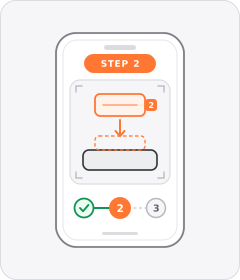 +1 sub
Step-by-Step Tutorial
The ad teaches the viewer how to apply, assemble, or use the product in an explicit sequence of steps.
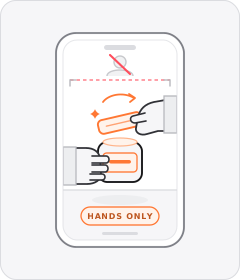
Hands-Only Demo
The product is handled and demonstrated with only a pair of hands visible in frame and no face shown.
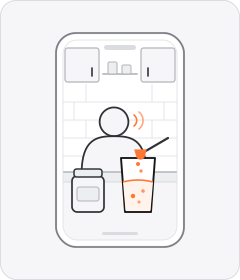
Kitchen Demo
A creator talks to the camera in a kitchen while mixing, cooking, or preparing a food, drink, or supplement.
Cross-layer recipes
Pairs well with
Combine Step-by-Step Walkthrough with patterns from other layers to assemble a complete ad.
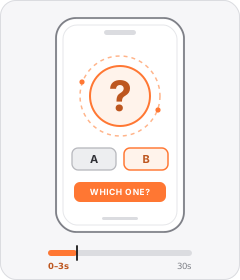
Question Hook
The ad opens by asking the viewer a direct or rhetorical question.
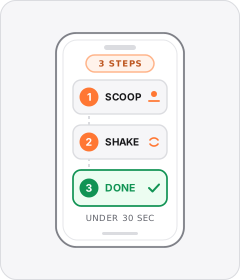
Three-Step Simplicity
The ad breaks using the product down into three quick steps to prove how easy it is.
 +1 sub
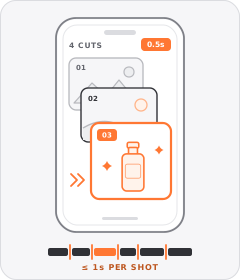
Quick-Cut Montage
The ad strings together a rapid sequence of distinct shots lasting roughly a second or less each.
+1 subStep-by-Step Tutorial
The ad teaches the viewer how to apply, assemble, or use the product in an explicit sequence of steps.
Start free
Build a Step-by-Step Walkthrough ad in minutes
Start with 7 days free in a ready-made demo workspace. No credit card required.