Symptom Callout
The ad opens by rattling off or showing physical symptoms so viewers recognise an issue they share.
How to spot it
A rapid spoken or on-screen checklist like 'Bloating? Brain fog? Low energy?' or a close-up of a bodily symptom.
Verified on real video ads across 50 of 240 tracked brands (405 sightings across 79,497 ads).
Creative strategy
Why use Symptom Callout
Listing two or three specific physical symptoms acts as an instant self-diagnosis trigger for viewers scrolling on autopilot. When someone hears the exact discomfort they felt that morning, they stop because the clip feels tailored to their situation. Rapidly stacking relatable cues also qualifies high-intent prospects immediately and leads cleanly into a root-cause explanation.
When to use it
- Gut health, sleep, energy, and joint supplements addressing recognizable daily discomforts like bloating or afternoon fatigue.
- Pet nutrition and allergy brands calling out visible dog or cat issues like paw-licking, scratching, or sensitive digestion.
- Skincare, ergonomic pillows, and orthopedic footwear solving tangible physical complaints like redness, neck stiffness, or heel soreness.
When to skip it
- Skip symptom checklists for aspirational fashion, decor, or luxury gifts that solve aesthetic desires.
- Avoid calling out sensitive medical conditions directly on Meta, where personal-attribute ad policies frequently reject 'Do you have...' phrasing.
Production guide
How to produce Symptom Callout
- 1
Group three closely related symptoms into a crisp two-second spoken checklist backed by clean bulleted text overlays.
- 2
Pair each named symptom with a quick visual cue, such as muted desaturated b-roll of a dog scratching or tired eyes.
- 3
Frame the line around general observations or pet behaviors to stay within Meta and TikTok personal-health policy rules.
- 4
Transition by second four from the symptom list to a clear root cause that introduces your product as the fix.
Common mistakes
- Opening with direct 'Are you suffering from...' language often triggers automated policy disapprovals on Meta and TikTok.
- Rattling off eight unrelated symptoms dilutes relevance and makes the product sound like an unbelievable cure-all.
- Using overly graphic skin or digestive footage in frame one repels viewers and causes fast scroll-aways.
Field notes
Observed in real ads
- 1
The speaker rapidly lists three relatable pet health symptoms—itching, paw-licking, and soft stool—over black-and-white clips of the dog experiencing them.
- 2
The speaker opens by directly asking viewers if they know the feeling of an unclear head despite coffee and sleep, calling them to listen up.
- 3
Opens by listing common pet health issues like itching, diarrhea, and stomach pain, then points to the food bowl as the hidden cause.
Also called
More under Problem Callout
Sibling patterns
Close alternatives that solve a similar creative job.
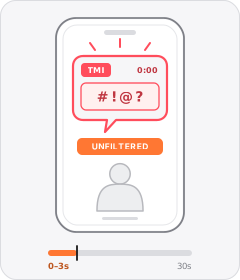
Cross-layer recipes
Pairs well with
Combine Symptom Callout with patterns from other layers to assemble a complete ad.

Offer Up Front
The ad leads in the opening seconds with the discount or sale announcement before showing the product or benefits.
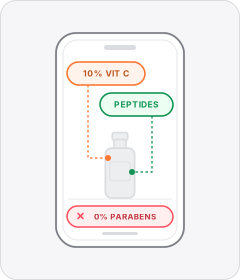
Ingredient Callout
On-screen labels or lists highlight the active ingredients inside the formula or the unwanted ones left out.
 +1 sub
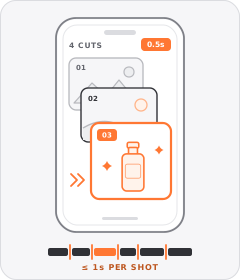
Quick-Cut Montage
The ad strings together a rapid sequence of distinct shots lasting roughly a second or less each.
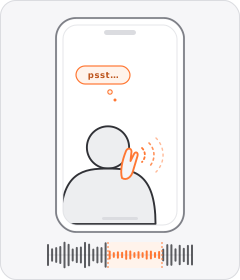
Conspiratorial Whisper
The speaker drops into a hushed stage whisper to share a confession, secret or insider tip.
Start free
Build a Symptom Callout ad in minutes
Start with 7 days free in a ready-made demo workspace. No credit card required.