Old Way vs. New Way
The ad contrasts a messy, slow or outdated everyday chore with the simpler routine offered by the product.
How to spot it
Explicit 'Old way vs. new way' labels or contrasting a tedious habit against a modern fix.
Verified on real video ads across 72 of 240 tracked brands (812 sightings across 79,497 ads).
Creative strategy
Why use Old Way vs. New Way
Viewers instantly recognize frustrating chores they put up with by habit, from scrubbing pans to juggling multiple bottles. Showing that clunky routine right beside your streamlined fix makes the value obvious even with the sound turned off. That visual gap lets the viewer feel the relief of upgrading before hearing a single product feature.
When to use it
- Meal kits, supplement drinks, and clever home gadgets excel when they replace slow, messy kitchen or morning chores.
- SaaS products and mobile apps show clean workflow demos replacing tangled spreadsheets, manual logs, or scattered tools.
- Skincare, grooming, and cleaning upgrades thrive when one tidy item replaces a crowded multi-step routine.
When to skip it
- Fashion apparel, fragrances, and treats underperform because shoppers enjoy the ritual and feel no chore friction.
- Forced comparisons fall flat when the old habit looks fake or fails to match how real people behave.
Production guide
How to produce Old Way vs. New Way
- 1
Film the clunky old routine in slightly cooler lighting with quick, messy cuts that echo real daily annoyance.
- 2
Switch to bright, smooth footage for your product demo so viewers feel the upgrade through pacing and lighting.
- 3
Label both halves with two-word text badges or use a vertical split screen for immediate sound-off clarity.
- 4
Focus on one clear friction point like mess, prep time, or clutter so the contrast stays sharp.
Common mistakes
- Staging clumsy infomercial spills during the old-way clip makes Meta and TikTok viewers scroll past in disbelief.
- Spending fifteen seconds on the annoying chore leaves too little time to show how your product works.
- Skipping clear visual labels forces sound-off viewers to guess which clip shows the hassle and which shows the fix.
Field notes
Observed in real ads
- 1
Contrasts weighing dry rice, scraping leftovers into the trash, and a sink full of dirty dishes against ordering pre-made meals.
- 2
The speaker contrasts the older LASIK procedure requiring a large 20mm corneal flap against the newer, minimally invasive 2mm method.
- 3
The ad contrasts the tedious routine of swallowing dozens of pills with the convenience of a single daily drink.
Also called
Comparison & Contrast family
Sibling patterns
Close alternatives that solve a similar creative job.
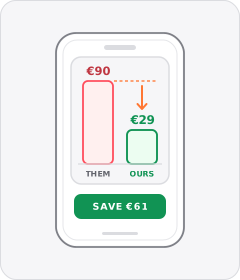
Price Comparison
The ad contrasts the product's price against a pricier competitor or an expensive everyday habit.
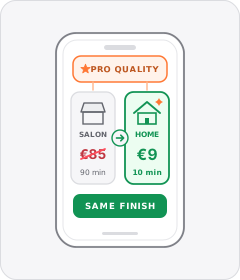
Pro Quality at Home
The ad claims the product gives you at home what you would otherwise pay a salon, restaurant, café or other professional for, in less time and for less money.
Cross-layer recipes
Pairs well with
Combine Old Way vs. New Way with patterns from other layers to assemble a complete ad.
 +2 sub
Problem-Solution
The ad establishes an everyday frustration in the first act and introduces the product as the fix.

Routine Hook
The ad opens by framing the clip as a morning, evening, or daily ritual.
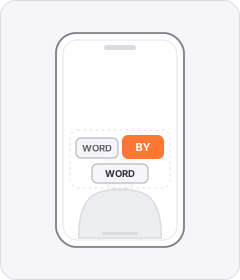
Word-by-Word Captions
Captions appear one word or a few words at a time, in sync with the speech.

Everyday Couple
A romantic couple shares the frame to discuss, test, or use the product as part of their life together.
Start free
Build a Old Way vs. New Way ad in minutes
Start with 7 days free in a ready-made demo workspace. No credit card required.