Before/After
The ad shows the same thing before and after using the product.
How to spot it
Two contrasting shots or split screens showing a flawed or messy starting state and the improved result afterward.
Verified on real video ads across 83 of 240 tracked brands (314 sightings across 79,497 ads).
Creative strategy
Why use Before/After
Viewers understand a visual transformation faster than spoken claims on a muted mobile feed. Pairing a flawed starting state beside a clean outcome lets shoppers judge the product's impact in one glance. Adding a realistic timeframe between both states makes the progress feel believable and motivates hesitant buyers to take action.
When to use it
- Cleaning solutions, stain removers, home organization tools, lawn care, and restoration kits deliver unmistakable visual contrast.
- Nail care, hair styling tools, teeth whitening, tailored apparel, and photo editing apps benefit from timed result arcs.
- B2B SaaS and productivity apps prove workflow upgrades clearly by comparing cluttered spreadsheets against clean dashboards.
When to skip it
- Graphic body or skin before-and-after splits face frequent ad rejections under strict Meta health and wellness policies.
- Internal benefits like immunity or focus supplements underperform because camera footage cannot show clear physical change.
Production guide
How to produce Before/After
- 1
Match camera angle, framing, and lighting across both shots so viewers trust that the product caused the change.
- 2
Add clean 'Day 1' and 'Day 30' or 'Before' and 'After' text labels so muted scrollers grasp the timeline instantly.
- 3
Insert a brief clip of the product in use between both states so the leap to results feels credible.
- 4
For beauty or wellness ads, use chronological diary clips so your creative avoids split-screen policy flags on Meta.
Common mistakes
- Changing lighting, filters, or makeup between shots looks deceptive and sparks skeptical backlash on TikTok and Meta.
- Hiding the 'after' reveal until the final second misses impatient mobile viewers scrolling quickly through YouTube Shorts.
- Using exaggerated timeline claims without realistic disclaimers triggers ad disapprovals and weakens long-term buyer trust.
Field notes
Observed in real ads
- 1
Contrasts the opening shot of rough, peeling nails with closing shots of smooth, glossy, healthy nails after one month of use.
- 2
The ad is structured as a thirty-day usage comparison that concludes with a simple call-to-action prompt.
- 3
The opening pits a "Früher:" (Before) montage of low energy and constant hunger against a "Heute:" (Today) scene of drinking the shake and losing 11 kg.
Also called
Cross-layer recipes
Pairs well with
Combine Before/After with patterns from other layers to assemble a complete ad.
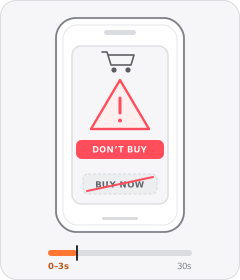
Before You Buy Warning
The ad opens by urging the viewer to hold off on buying anything in the category until they watch.
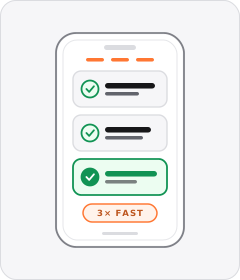
Benefit Stack
The ad rattles off a rapid-fire sequence of product benefits or specs one after another, often in a rule-of-three burst.
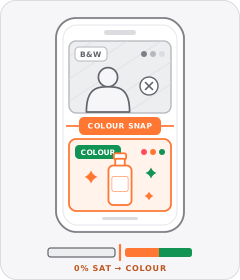
Black-and-White Problem Footage
Clips depicting the viewer's hassle or the 'before' state are drained to black and white before snapping to full colour for the solution.
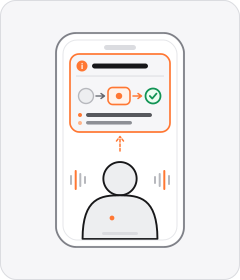
Talking-Head Explainer
A presenter or creator speaks to the camera to teach a concept or break down how something works before pitching the product.
Start free
Build a Before/After ad in minutes
Start with 7 days free in a ready-made demo workspace. No credit card required.