Skit to Pitch
The ad opens with an acted-out comedic or dramatic scene before shifting into a direct sales pitch or demo.
How to spot it
Characters acting out a short sketch—often one actor playing two roles—before breaking into a straight product pitch.
Verified on real video ads across 58 of 240 tracked brands (195 sightings across 79,497 ads).
Creative strategy
Why use Skit to Pitch
An acted scene mirrors native TikTok and Reels comedy, which keeps viewers watching through the critical opening seconds. Dramatizing a familiar annoyance through quick character dialogue creates instant recognition before any brand logo appears. Pivoting directly from the punchline into a clear product demo channels that attention straight toward the offer.
When to use it
- Consumer snacks, drinks, apparel, and personal care items work well when daily frustrations lend themselves to playful exaggeration.
- Mobile apps and SaaS tools fit this structure when one creator can play both the stressed user and helpful friend.
- Cold prospecting campaigns benefit when standard product demos have fatigued and accounts need fresh thumb-stopping hooks.
When to skip it
- Skip comedic skits for sensitive health conditions or high-trust financial offers where humor weakens brand credibility.
- Avoid this structure if your creators lack acting timing, because stiff delivery triggers immediate scrolling in short-form feeds.
Production guide
How to produce Skit to Pitch
- 1
Keep the opening sketch under eight seconds and establish the exact buyer frustration in the first line of dialogue.
- 2
Use a quick prop swap, lighting cue, or camera angle change when one creator plays two different characters.
- 3
Deliver the punchline right as the product enters the frame so the shift from comedy to pitch feels tight.
- 4
Drop the act after the transition and present clear product benefits, demo clips, and a direct call to action.
Common mistakes
- Letting the sketch run for twenty seconds entertains viewers who leave before they ever see what you sell.
- Writing a funny premise unrelated to the product makes the sudden sales pitch feel jarring and forced.
- Forgetting clear captions on fast back-and-forth dialogue loses muted viewers on Meta feeds within three seconds.
Field notes
Observed in real ads
- 1
The narrative establishes a metaphorically framed problem, resolves it, and transitions to a branded call-to-action screen.
- 2
The narrative opens with a dramatic problem that is immediately solved by the product, followed by a retail promotion.
- 3
A humorous misunderstanding sets up the premise, followed by a direct product recommendation and a branded outro.
Also called
Cross-layer recipes
Pairs well with
Combine Skit to Pitch with patterns from other layers to assemble a complete ad.

Before You Buy Warning
The ad opens by urging the viewer to hold off on buying anything in the category until they watch.

Gift Pitch
The ad pitches the product as an ideal present to buy for someone else—or a holiday treat for oneself.
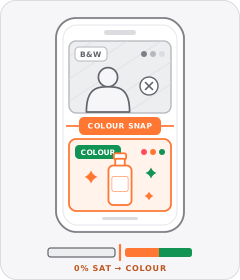
Black-and-White Problem Footage
Clips depicting the viewer's hassle or the 'before' state are drained to black and white before snapping to full colour for the solution.

Comedy Skit
The ad plays out as a short scripted humorous scene with people in character before introducing the product.
Start free
Build a Skit to Pitch ad in minutes
Start with 7 days free in a ready-made demo workspace. No credit card required.