Creator to Camera
An everyday creator films themselves on a phone in a lived-in setting and speaks directly to the viewer.
How to spot it
Selfie or tripod smartphone framing in a bedroom, living room, or kitchen with casual conversational delivery.
Verified on real video ads across 176 of 240 tracked brands (6,185 sightings across 79,497 ads).
Creative strategy
Why use Creator to Camera
Direct eye contact on a handheld phone mimics a friend's update on TikTok or Reels, which disarms typical ad blindness right away. Casual home backgrounds and conversational phrasing let marketers test hooks, objections, and story angles rapidly at low production cost. This flexible talking-head format adapts across nearly any script structure while keeping human presence central to the pitch.
When to use it
- Performance teams testing five to ten fresh hook variations weekly benefit from fast, low-cost smartphone creator turnarounds.
- Skincare, supplements, mobile apps, and SaaS tools perform strongly when clear spoken explanations carry the main value proposition.
- Cold prospecting on TikTok and Reels thrives when relatable hosts speak directly to niche audience frustrations.
When to skip it
- Skip pure talking-head formats for luxury fashion or sensory food brands where cinematic visual desire drives clicks.
- Avoid creator-to-camera setups if the presenter reads awkwardly from a teleprompter and breaks natural eye contact.
Production guide
How to produce Creator to Camera
- 1
Film vertically at eye level near a bright window in a tidy kitchen, bedroom, or home office.
- 2
Record three distinct opening hooks per shoot so media buyers can test multiple angles from one core body.
- 3
Trim awkward pauses tightly with clean jump cuts and weave in product B-roll to keep visual momentum high.
- 4
Place crisp, readable captions near the center-lower safe zone while keeping the speaker's face fully unobstructed.
Common mistakes
- Casting creators who mismatch your target buyer demographic weakens instant relatability in cold social feeds.
- Leaving long dead pauses or rambling intros in the first three seconds kills thumb-stop rate immediately.
- Shooting with harsh overhead shadows or echoey room audio makes casual phone footage feel amateurish.
Field notes
Observed in real ads
- 1
A young male creator films himself speaking directly to the camera in a casual home kitchen setting.
- 2
A young woman in a home kitchen addresses the camera directly in a casual user-generated content style, alternating between speaking on camera and narrating over B-roll.
- 3
A single presenter speaks directly to the camera from a casual home office setup.
Also called
Specializations
Child patterns under Creator to Camera
Specific variations of Creator to Camera verified across multiple brands.
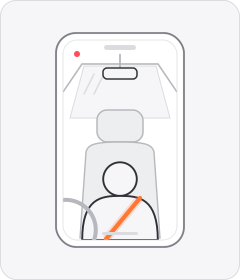
More under Talking Head
Sibling patterns
Close alternatives that solve a similar creative job.
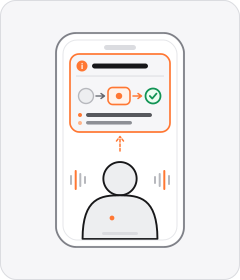
Talking-Head Explainer
A presenter or creator speaks to the camera to teach a concept or break down how something works before pitching the product.
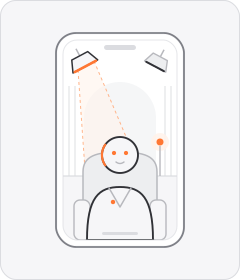
Studio Talking Head
A presenter addresses the viewer directly from a professionally lit studio set.
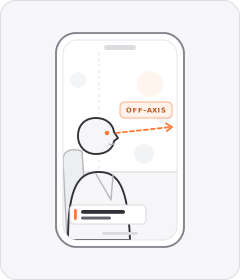
Studio Interview
A speaker is filmed seated on a lit set answering an off-camera interviewer in documentary style.
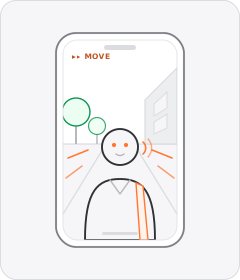
Walk and Talk
A speaker addresses the camera while walking forward through a street, hallway, or outdoor space.
Cross-layer recipes
Pairs well with
Combine Creator to Camera with patterns from other layers to assemble a complete ad.
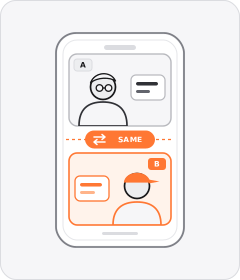
One Creator, Multiple Roles
A single creator plays two or more characters in the same ad, cutting back and forth between themselves.
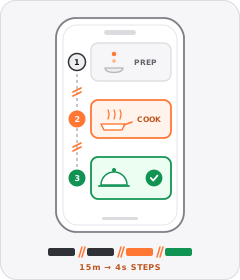
Process Montage
Rapid hard cuts compress the steps of a routine, recipe or packing sequence into a few seconds.
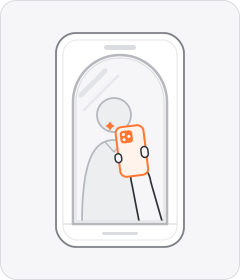
Mirror Selfie
A creator films themselves in a mirror with their phone visible in hand, mimicking a casual outfit or routine post.
 +2 sub
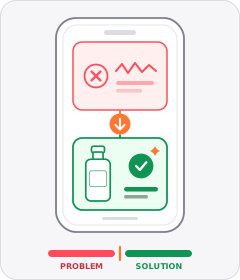
Problem-Solution
The ad establishes an everyday frustration in the first act and introduces the product as the fix.
Start free
Build a Creator to Camera ad in minutes
Start with 7 days free in a ready-made demo workspace. No credit card required.