Studio Interview
A speaker is filmed seated on a lit set answering an off-camera interviewer in documentary style.
How to spot it
Seated framing with the speaker looking slightly off-axis rather than into the lens, without podcast microphones in frame.
Verified on real video ads across 56 of 240 tracked brands (443 sightings across 79,497 ads).
Creative strategy
Why use Studio Interview
Off-axis documentary framing borrows the visual language of editorial journalism, which lowers viewer defensiveness against paid ads. When a founder, expert, or customer responds to an unseen interviewer, their phrasing feels unscripted and thoughtful. Warm lighting, shallow depth of field, and tight editing turn lived stories into persuasive mid-funnel and prospecting proof.
When to use it
- Founder-led wellness, supplement, and skincare brands share origin stories, formulation breakthroughs, and quality standards with documentary credibility.
- Brands running testimonial campaigns film real buyers answering prompted questions about meaningful routine or health improvements.
- Mattress, fitness equipment, and financial brands build deep trust before asking shoppers for a large purchase.
When to skip it
- Low-cost novelty gadgets and fast-fashion drops rarely suit documentary gravitas when shoppers simply want a quick visual demo.
- Short six-second bumper placements lack enough runtime to build conversational rhythm and meaningful interview context.
Production guide
How to produce Studio Interview
- 1
Seat an interviewer right beside the camera lens so the speaker keeps a natural off-axis eyeline and relaxed posture.
- 2
Ask open-ended questions that elicit standalone answers covering the problem, turning point, and tangible product outcome.
- 3
Film both a medium frame and a tight close-up so editors can remove filler pauses without jarring jump cuts.
- 4
Intercut spoken answers with relevant product b-roll, lab scenes, or customer clips to illustrate key points visually.
Common mistakes
- Opening with slow preamble or interviewer small talk loses cold Meta and TikTok viewers before the main hook arrives.
- Placing a visible podcast microphone on a desk turns the look into a staged podcast clip and crowds facial framing.
- Letting an interviewee ramble through vague mission talk without concrete product proof weakens direct-response conversion intent.
Field notes
Observed in real ads
- 1
The core presentation mimics a polished documentary or founder interview shot with shallow depth of field.
- 2
The ad is shot like a cinematic documentary or trailer interview, with warm lighting, shallow depth of field, and a seated presenter.
- 3
The ad cuts between multiple direct-to-camera interviews filmed in a dramatic, dark studio environment.
Also called
More under Talking Head
Sibling patterns
Close alternatives that solve a similar creative job.
 +1 sub
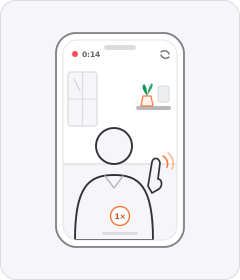
Creator to Camera
An everyday creator films themselves on a phone in a lived-in setting and speaks directly to the viewer.
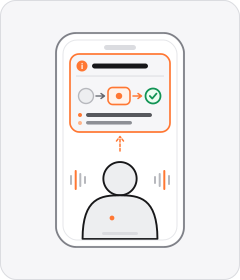
Talking-Head Explainer
A presenter or creator speaks to the camera to teach a concept or break down how something works before pitching the product.
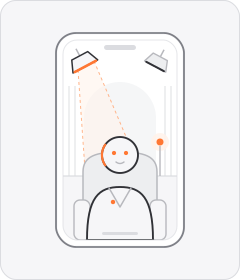
Studio Talking Head
A presenter addresses the viewer directly from a professionally lit studio set.
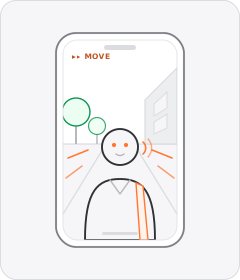
Walk and Talk
A speaker addresses the camera while walking forward through a street, hallway, or outdoor space.
Cross-layer recipes
Pairs well with
Combine Studio Interview with patterns from other layers to assemble a complete ad.
 +2 sub
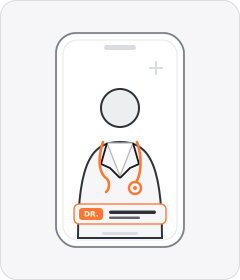
Expert in a Coat
A qualified specialist, academic, or seasoned practitioner vouches for or explains the product on camera.
 +1 sub
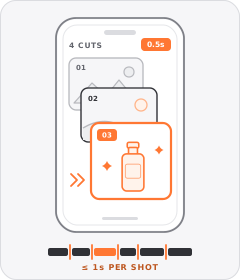
Quick-Cut Montage
The ad strings together a rapid sequence of distinct shots lasting roughly a second or less each.
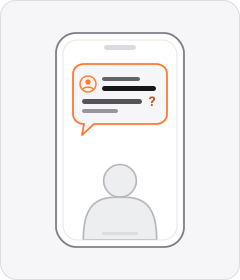
Comment Reply
The ad opens by answering a viewer's comment shown on screen as a social media comment bubble.
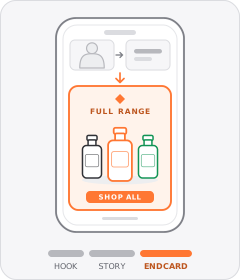
Lineup Packshot Endcard
The ad closes on a clean graphic card or studio shot displaying the full product range lined up together.
Start free
Build a Studio Interview ad in minutes
Start with 7 days free in a ready-made demo workspace. No credit card required.