Talking Head
A single speaker looks straight into the lens and delivers the pitch directly to the viewer.
How to spot it
One person framed chest-up or head-and-shoulders maintaining eye contact with the camera while speaking.
Verified on real video ads across 138 of 240 tracked brands (1,481 sightings across 79,497 ads).
Creative strategy
Why use Talking Head
Human faces and direct eye contact trigger immediate social attention as people scroll through short-form feeds. When a founder, customer, or creator talks naturally to the camera, the ad mirrors organic posts viewers already watch from friends and favorite accounts. This lean format also lets performance teams test dozens of opening hooks and angles quickly with minimal production cost.
When to use it
- You want to test ten different opening hooks quickly across supplements, skincare, mobile apps, or subscription services.
- Your offer benefits from a relatable customer testimonial, founder story, or personal recommendation delivered with conviction.
- You need fast-turnaround ad creative shot on a smartphone in a natural home, office, or car setting.
When to skip it
- Your product value depends on intricate visual craftsmanship or physical action that speech fails to convey clearly.
- You lack an expressive on-camera speaker who can deliver lines smoothly without sounding stiff or rehearsed.
Production guide
How to produce Talking Head
- 1
Position the camera at eye level facing a bright window so the speaker looks natural and clearly lit.
- 2
Clip on a compact wireless mic or sit close to the phone so vocal audio stays crisp and clear.
- 3
Record three variations of the opening hook with different angles while keeping the middle pitch identical.
- 4
Trim dead pauses with tight jump cuts and add readable captions placed in the upper middle safe zone.
Common mistakes
- Reading word for word off a script makes the speaker lose eye contact and sound robotic.
- Holding one static wide shot for forty seconds without B-roll or framing shifts causes steep retention drop-offs.
- Placing captions too low on the screen lets platform descriptions and buttons cover key selling points.
Field notes
Observed in real ads
- 1
A single presenter sits at an office desk and speaks straight into the lens for the entire runtime.
- 2
A woman films herself in a casual home setting holding the phone at arm's length while addressing the camera directly.
- 3
A speaker sits in a studio setting in front of a podcast microphone, delivering the ad as if it were a podcast episode.
Also called
Specializations
Child patterns under Talking Head
Specific variations of Talking Head verified across multiple brands.
 +1 sub
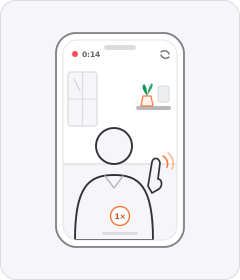
Creator to Camera
An everyday creator films themselves on a phone in a lived-in setting and speaks directly to the viewer.
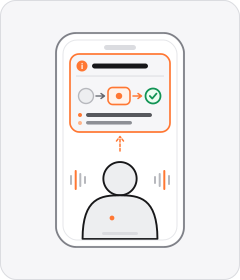
Talking-Head Explainer
A presenter or creator speaks to the camera to teach a concept or break down how something works before pitching the product.
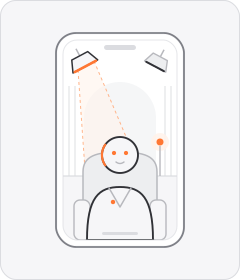
Studio Talking Head
A presenter addresses the viewer directly from a professionally lit studio set.
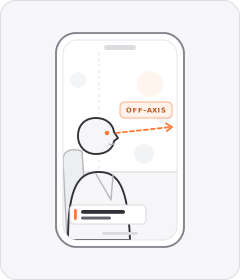
Studio Interview
A speaker is filmed seated on a lit set answering an off-camera interviewer in documentary style.
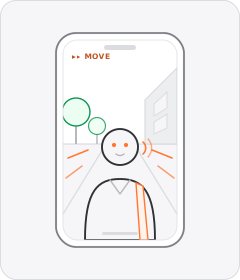
Walk and Talk
A speaker addresses the camera while walking forward through a street, hallway, or outdoor space.
Cross-layer recipes
Pairs well with
Combine Talking Head with patterns from other layers to assemble a complete ad.

Animated Mascot
A cartoon character, brand mascot, or anthropomorphised product with a face and limbs acts out a scene or delivers the pitch.
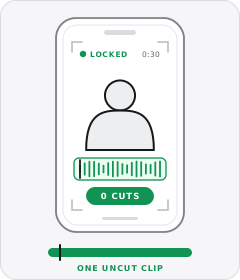
Single Take
The entire ad plays out in one continuous, uncut camera shot from start to finish.

Handheld Mini Mic
The speaker holds a tiny wireless or lapel microphone between their fingers while talking to camera instead of clipping it on.
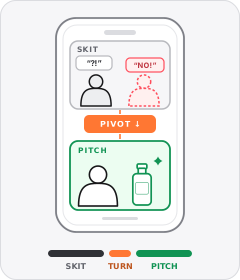
Skit to Pitch
The ad opens with an acted-out comedic or dramatic scene before shifting into a direct sales pitch or demo.
Start free
Build a Talking Head ad in minutes
Start with 7 days free in a ready-made demo workspace. No credit card required.